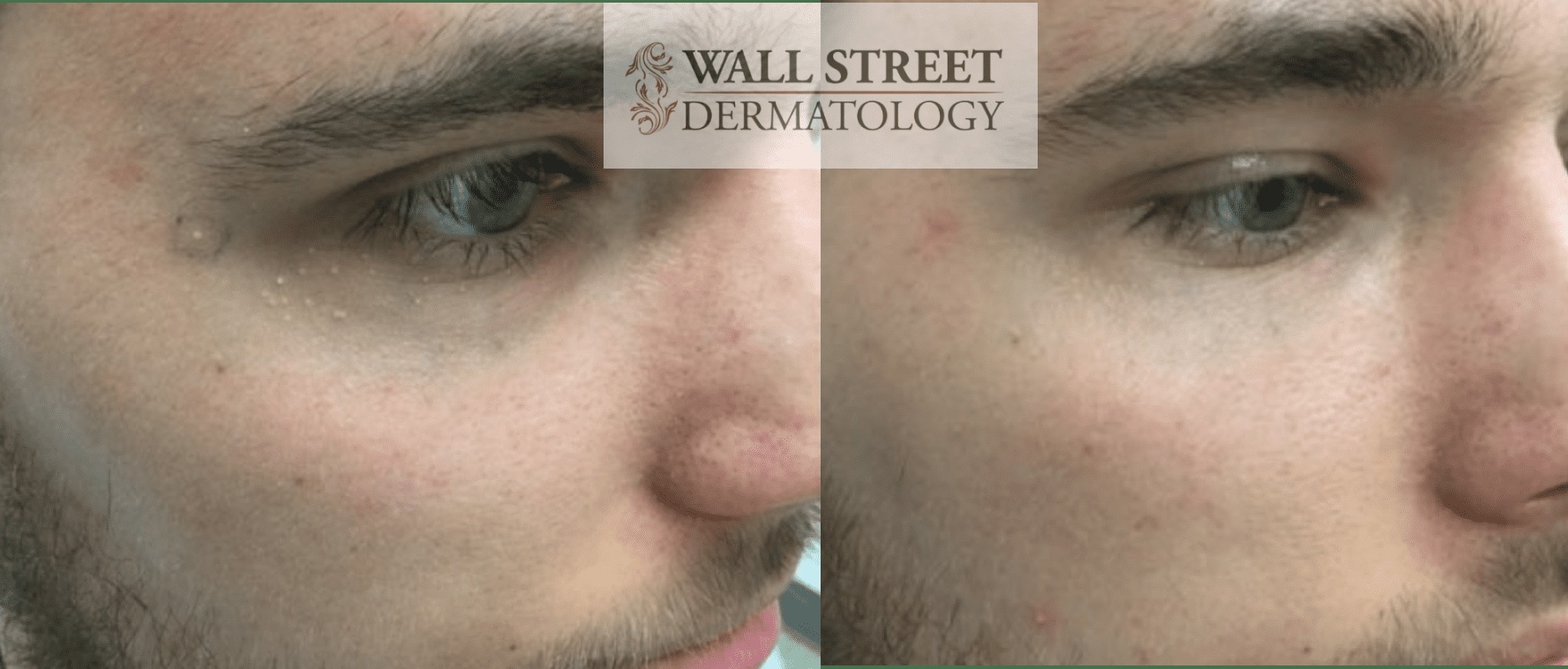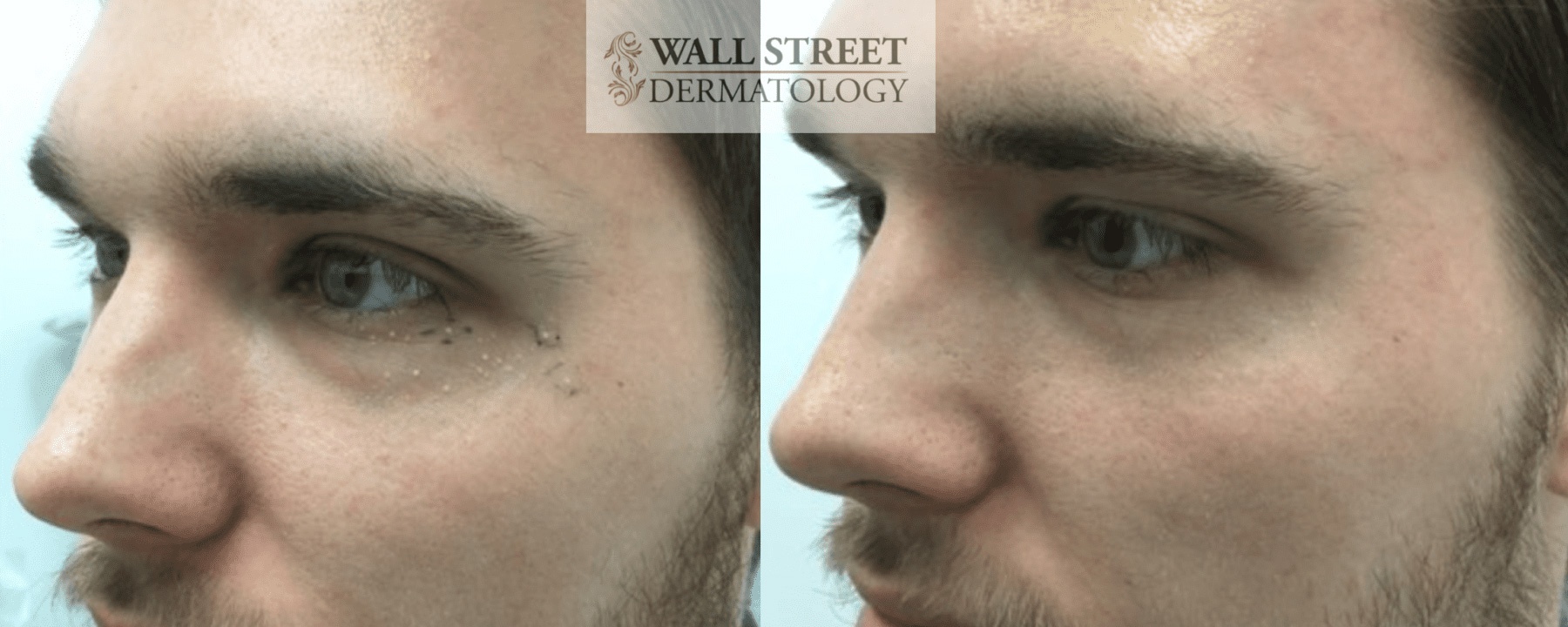
Achieve Blemish-Free Skin with Milia Extraction in NYC
Milia are tiny cysts that can be easily removed with a minor procedure
- Last Updated: August 28, 2026
- By Julia Tzu, MD FAAD
Milia Extraction At Wall Street Dermatology
Milia are tiny white cysts that commonly develop on the face. They can be easily removed with a minor procedure that pops the cyst out of the skin. The procedure is typically painless and fast. Special efforts are made to minimize any potential scarring. Milia removal/extraction is considered cosmetic and is not a service covered by insurance.
If you’re interested in milia extraction in NYC, contact Wall Street Dermatology today.
Dermatologist Dr. Julia Tzu on Milia Extraction

“Milia removal requires precision and manual dexterity for flawless results. I call it microscopic cosmetic surgery, and patient’s love how painless it can be without any anesthesia.”- Dr. Julia Tzu, MD, FAAD
Milia Extraction Cost NYC
The cost of milia extraction in NYC starts at $300. the price depends on the size and location of the milia, and the complexity of the technique utilized for removal. Multiple sessions may occasionally be required. For a more accurate cost estimate, schedule a consultation with our dermatologist in NYC today.
Milia Extraction Aftercare
Milia extractions typically take a minimum of 3 to 5 days to fully heal. During this time, you should avoid applying any harsh soaps, lotions, or makeup on or around the treatment area.
Instead, opt for rinsing the area with cool water regularly and applying vaseline petroleum jelly or bacitracin ointment to prevent infection and promote the healing process. Avoid picking at or scratching the area, as this could cause further damage.
Taking the Next Steps on Milia Extraction
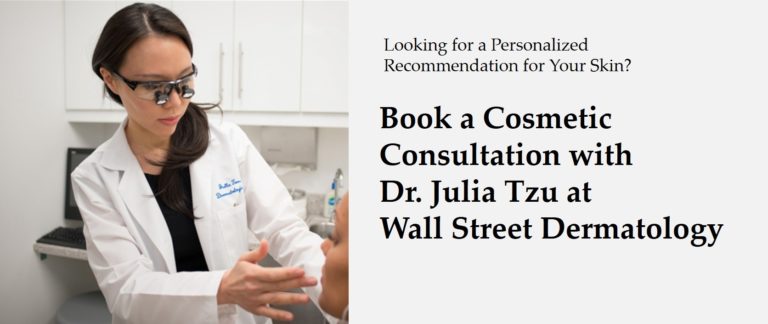
If you are interested in extracting milia on your skin, you can learn more about booking a cosmetic consultation with Dr. Tzu. We’d love to explore how we may be able to restore the natural beauty of your skin, and treat your milia once and for all.
FAQ
What Happens If I Try to Pop a Milia Myself?
Having an expert remove your milia is preferred to self treatment, in order to reduce complications from infection and scarring. Individuals who attempt self treatment may encounter short term unsightly bruising, swelling, and pain, and long term discoloration and scarring.
Does Milia Removal Leave Scars?
When milia is removed properly by an expert and experienced dermatologist, it is unlikely to result in any visible scars. It is therefore important to choose the correct physician to remove your milia.
How Long Does Milia Removal Start to Heal?
Immediately after the removal, you will notice small, pinpoint redness from the procedure. However, due to the very superficial nature of the procedure, the area usually heals over within a week.
Are milia the same as whiteheads?
No. While milia and whiteheads may look similar, they are different conditions. Whiteheads (closed comedones) form when a pore becomes clogged with oil and dead skin cells and are related to acne. Milia are keratin-filled cysts that form beneath the skin surface, unrelated to pores or oil production. Milia have a harder texture and do not respond to acne treatments. A dermatologist can distinguish between the two through visual examination.
Will milia come back after extraction?
The specific milia that are extracted will not return, but new milia can develop in the same area or elsewhere over time. Factors such as sun damage, heavy skincare products, and individual skin characteristics can contribute to recurrence. Your dermatologist may recommend topical retinoids or a modified skincare routine to help reduce the likelihood of new milia forming.
Does milia extraction hurt?
Most patients experience only mild, brief discomfort during milia extraction. The procedure involves a tiny puncture in the skin surface followed by gentle pressure to express the keratin plug. Many patients do not require any numbing, though a topical anesthetic can be applied for those with lower pain tolerance or when multiple milia are being treated in a single session.
What causes milia in adults?
In adults, milia can develop from chronic sun damage, use of heavy or occlusive skincare products, skin injuries such as burns or blisters, or certain skin conditions. Some people are simply more prone to developing milia due to their individual skin characteristics. Unlike in newborns where milia resolve on their own, adult milia often persist without professional treatment.
Can I remove milia at home?
Attempting to remove milia at home is not recommended. Unlike acne, milia are hard keratin cysts encased beneath an intact layer of skin and cannot be squeezed out. Trying to pop or pick at milia with unsterilized tools can cause infection, scarring, and skin damage. Professional extraction uses sterile instruments and a controlled technique to remove milia safely and with minimal risk of complications.