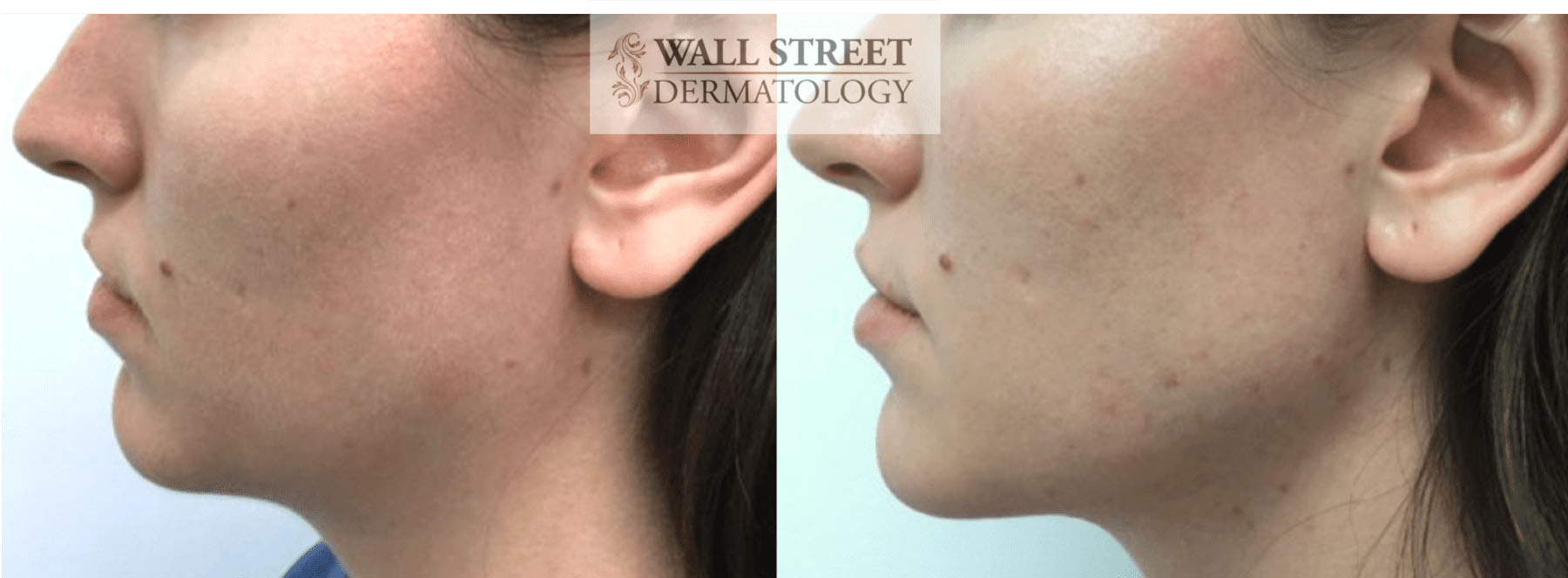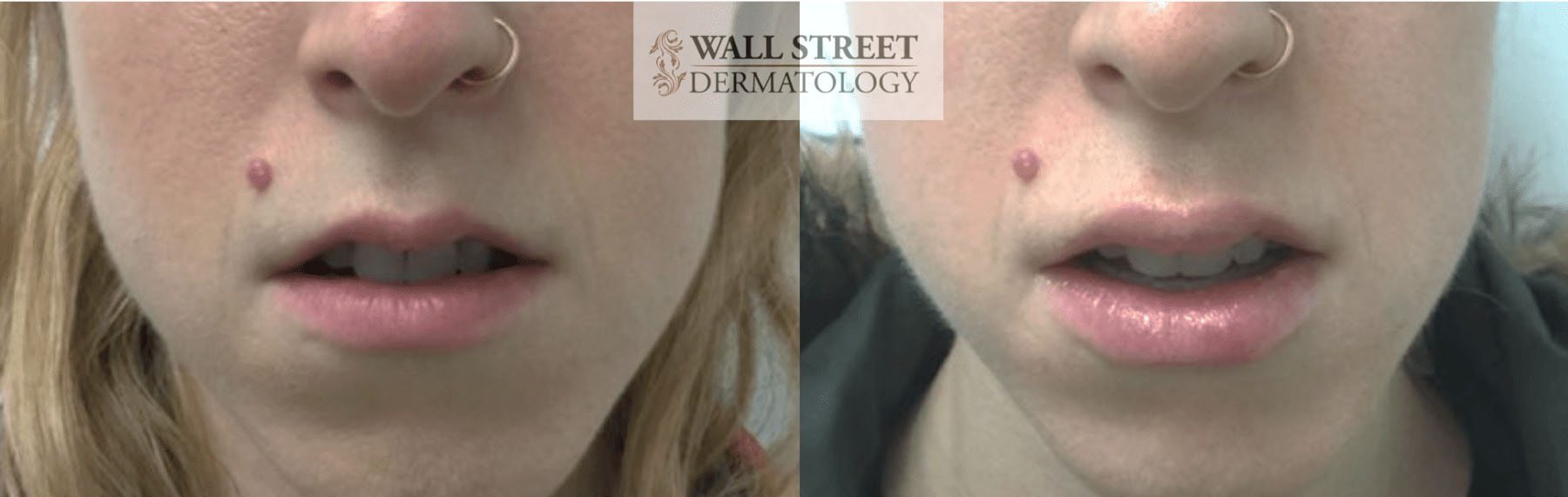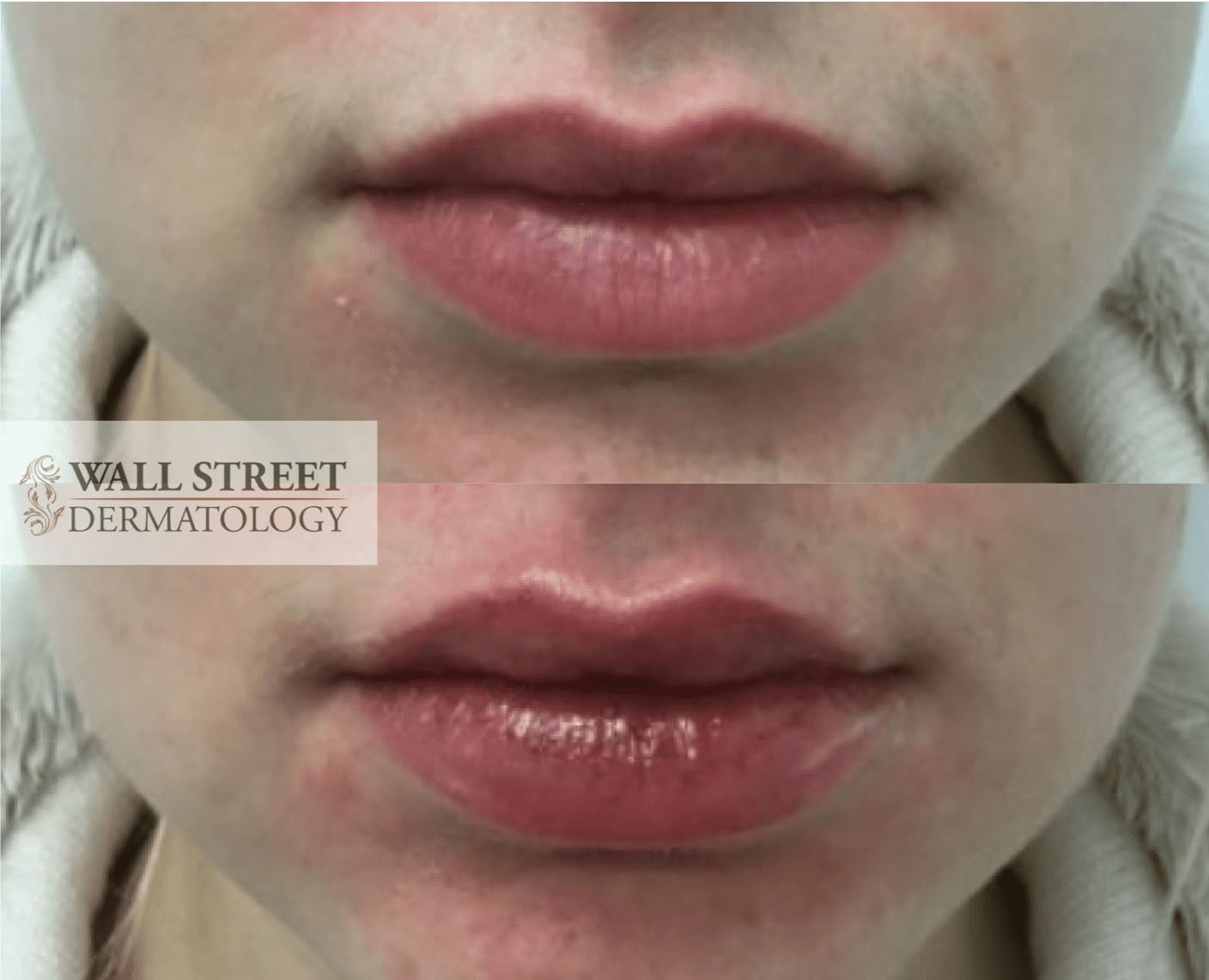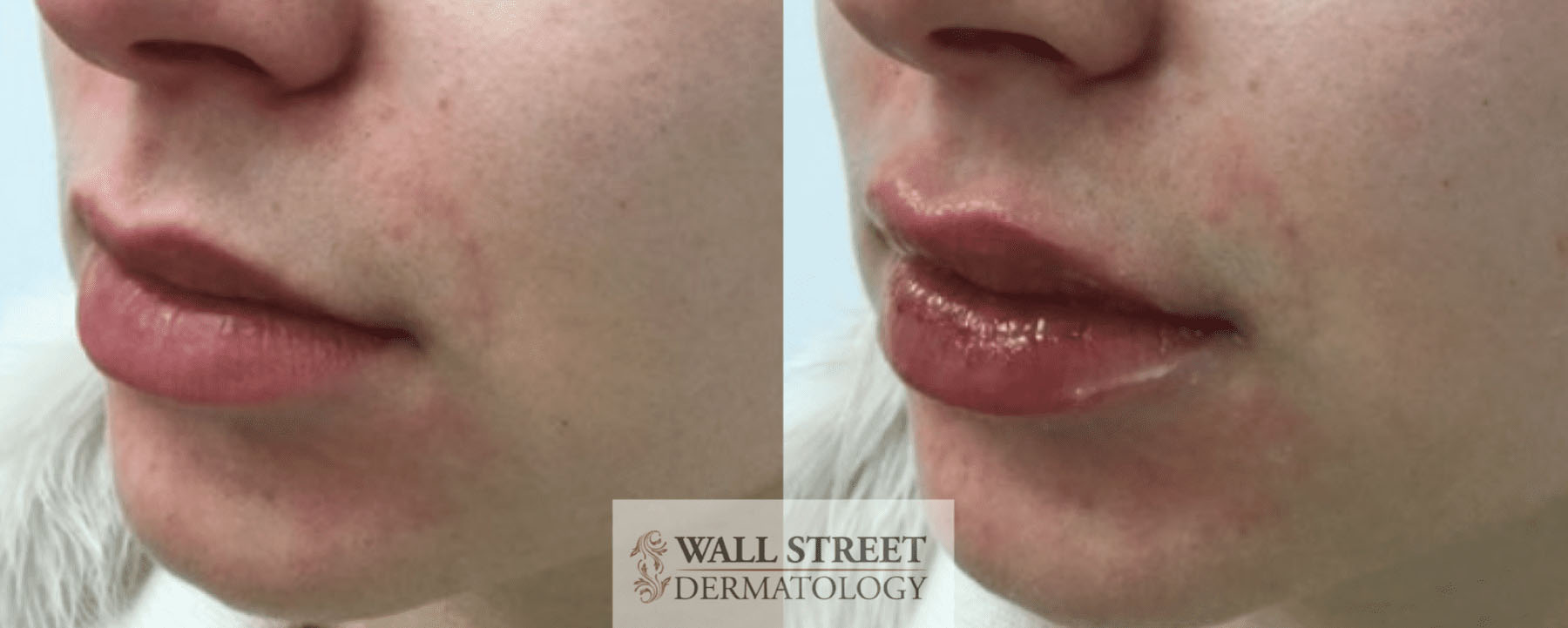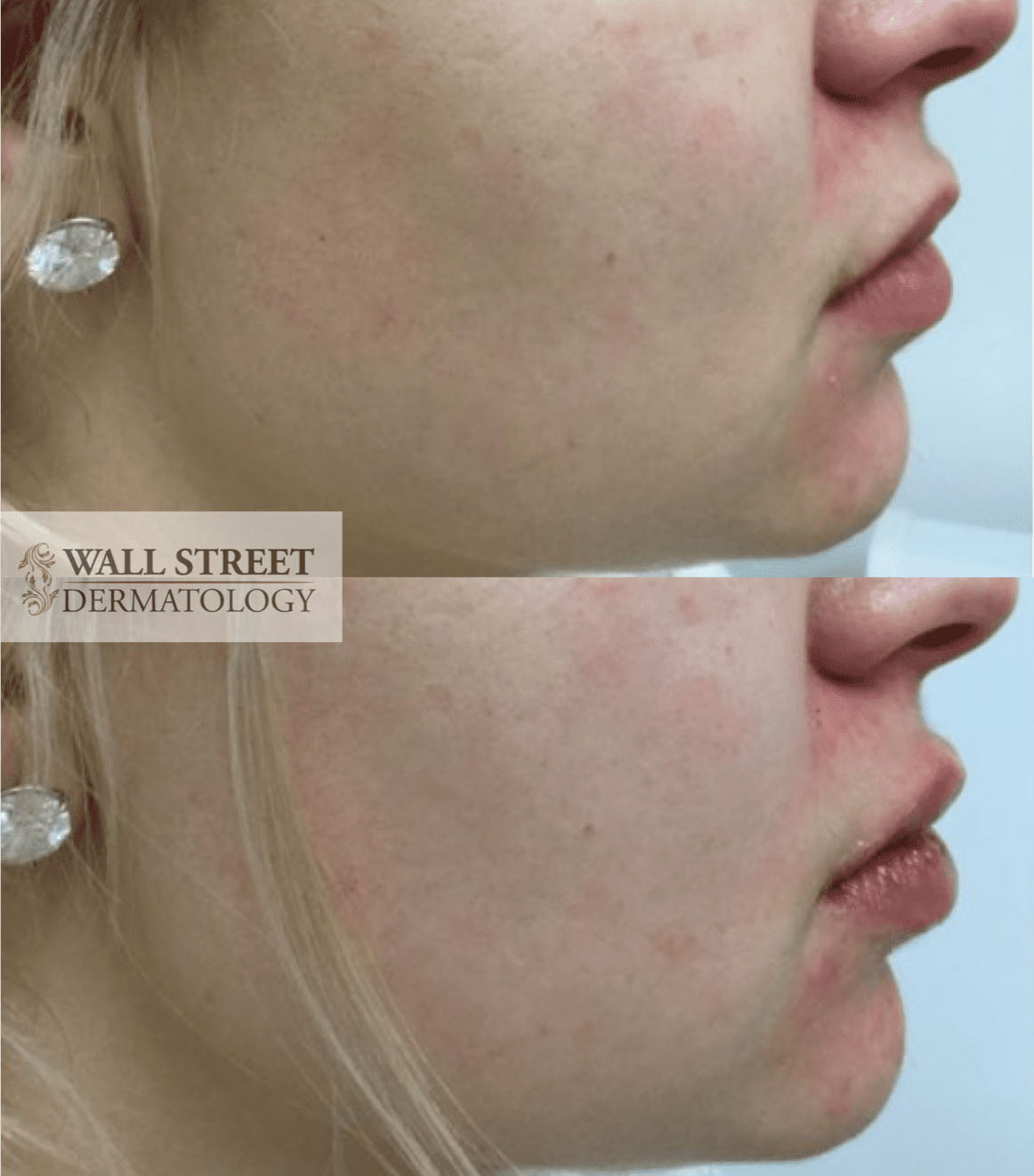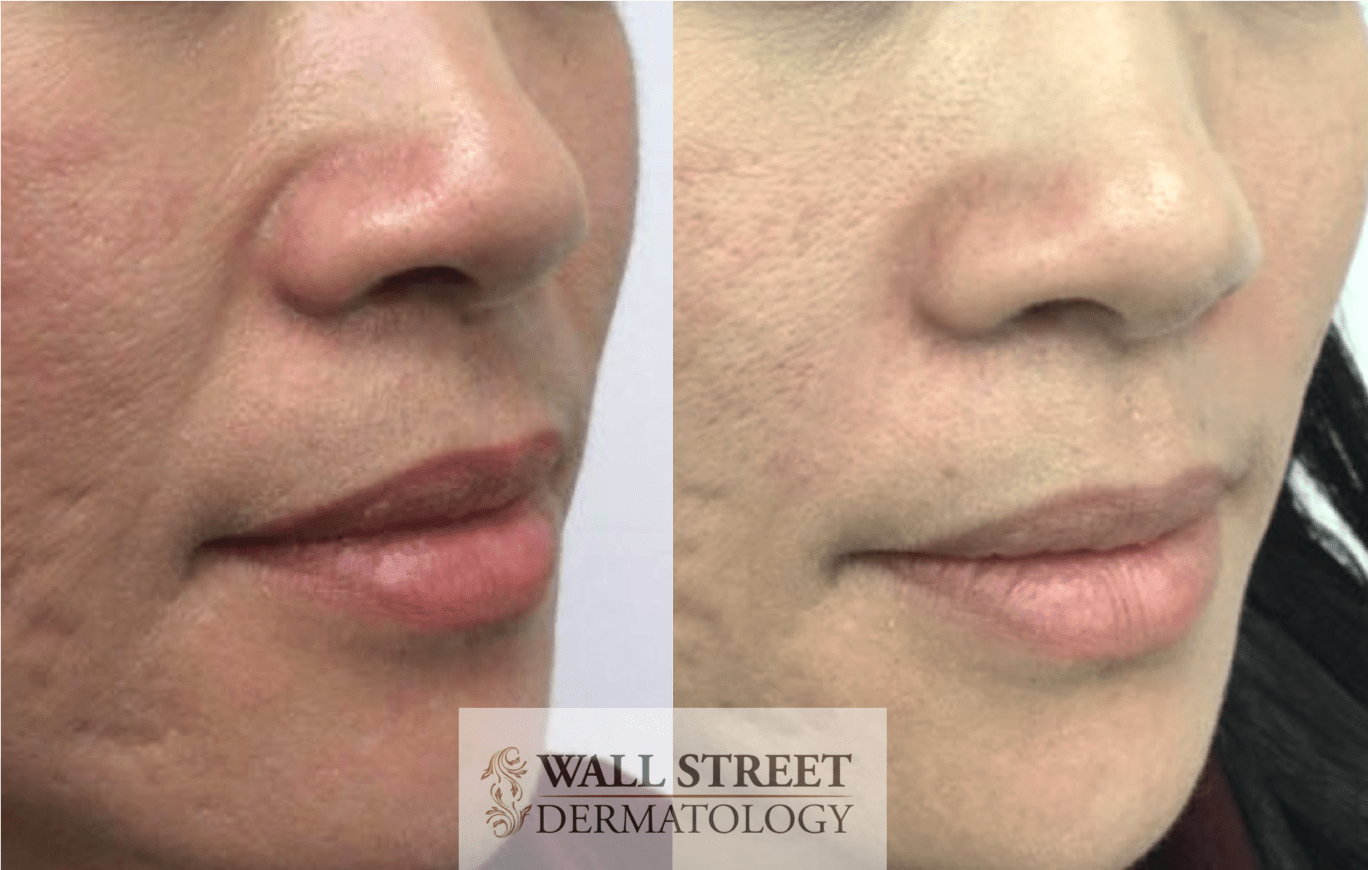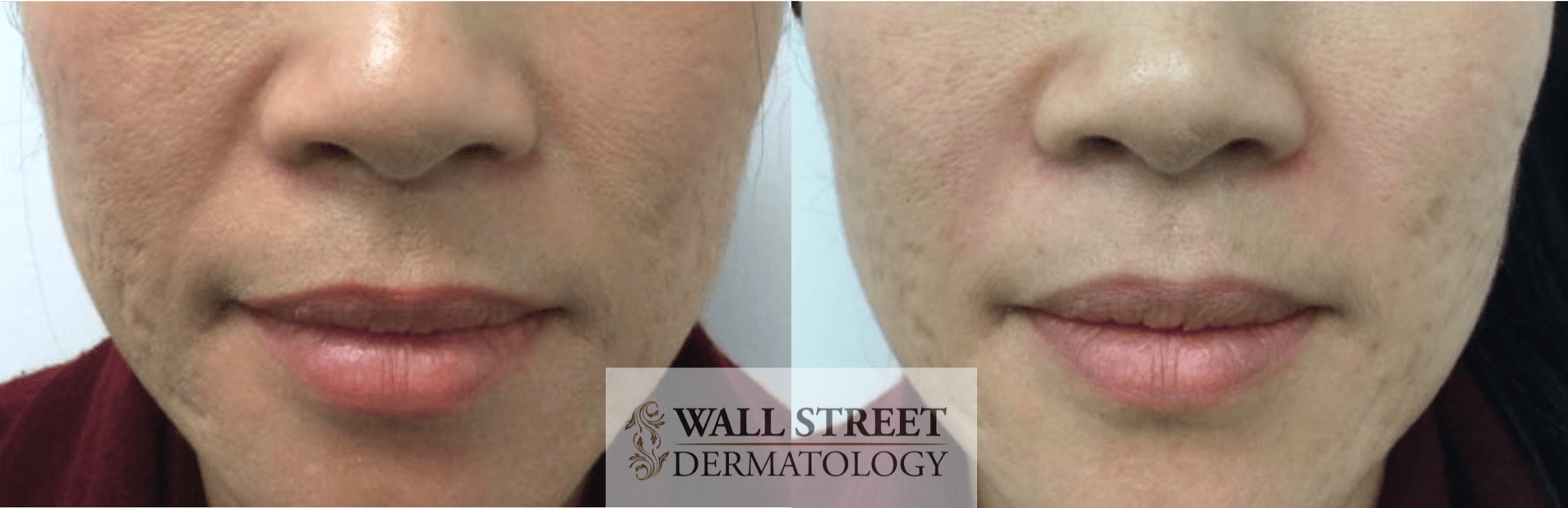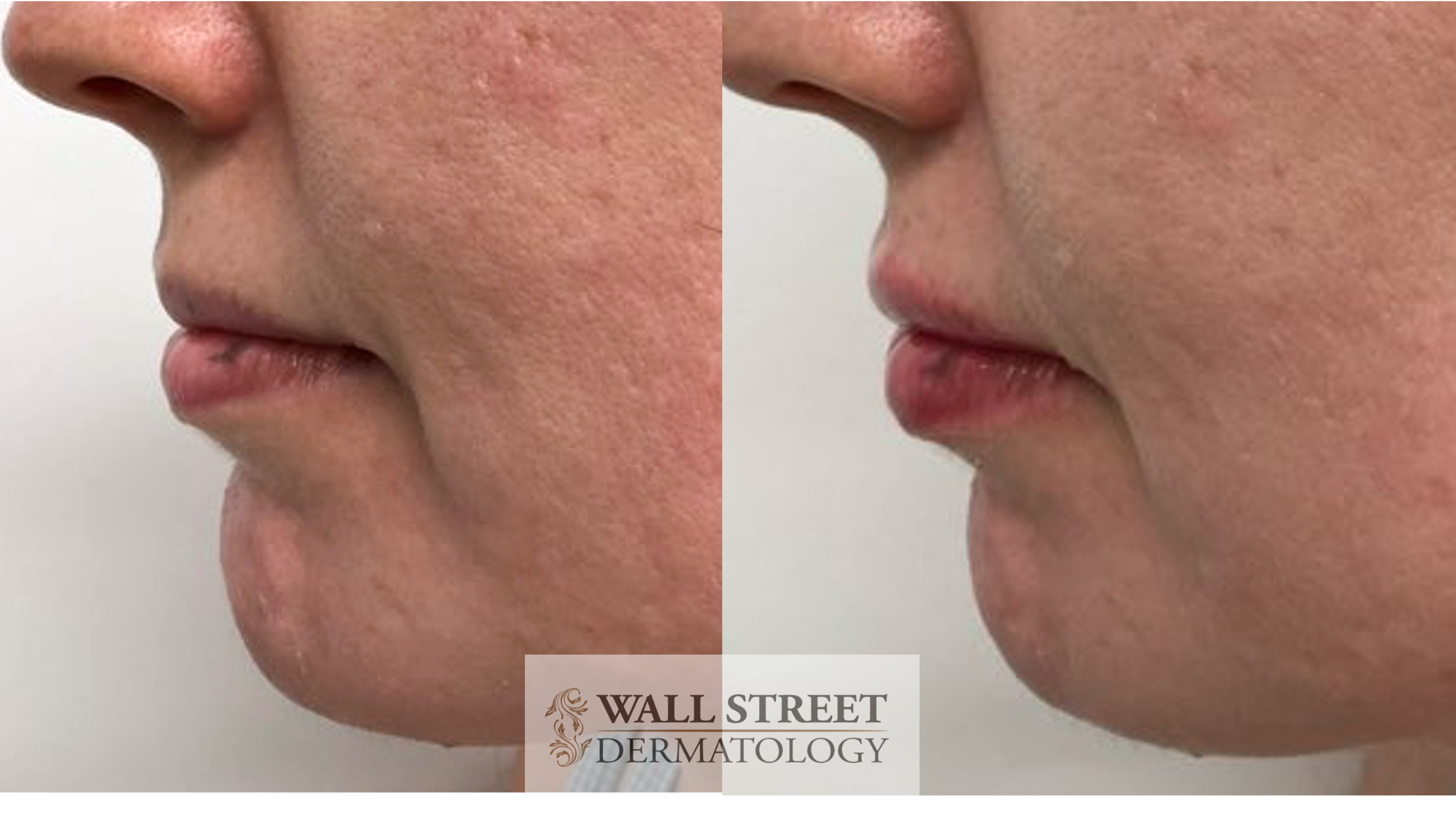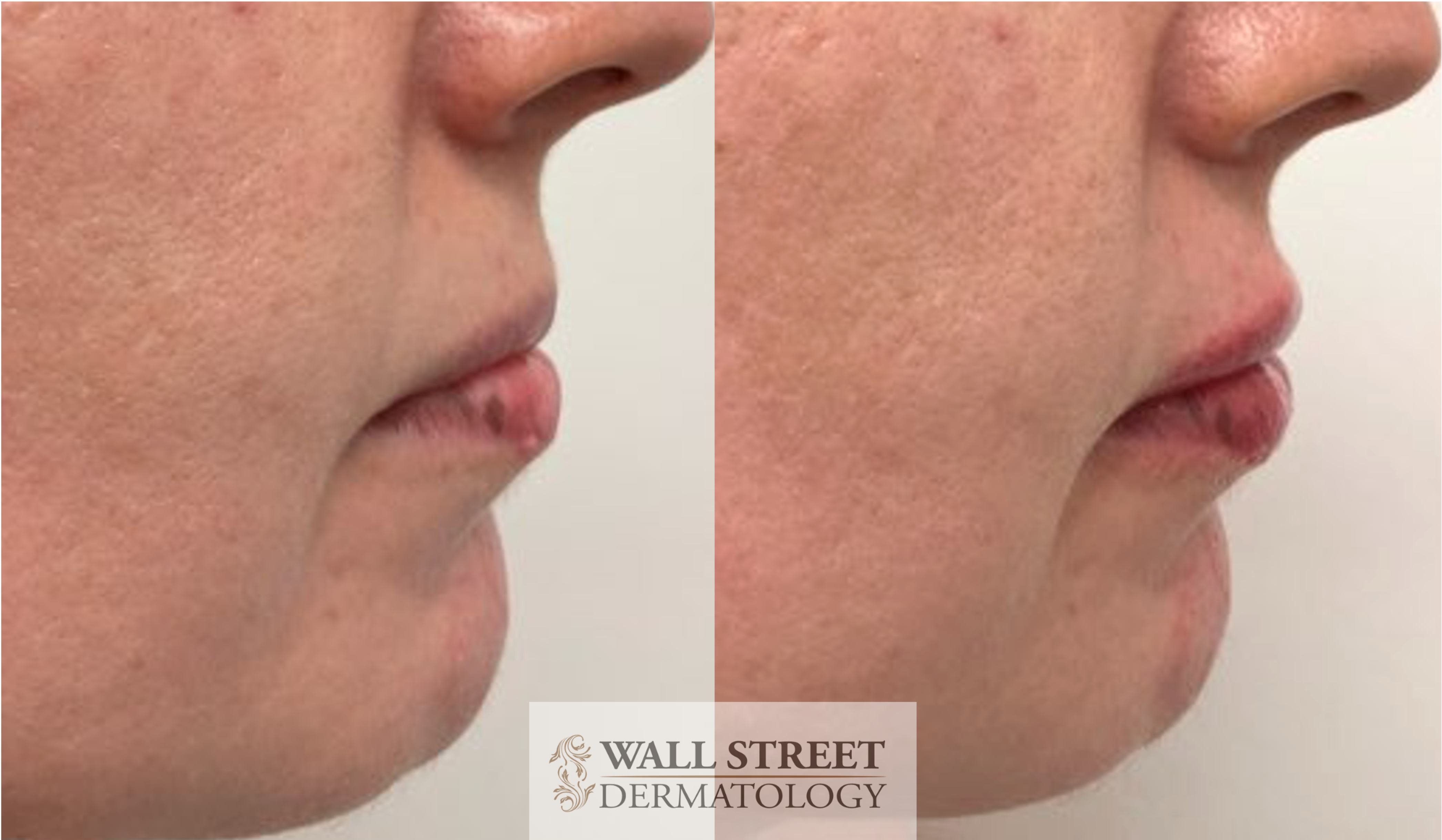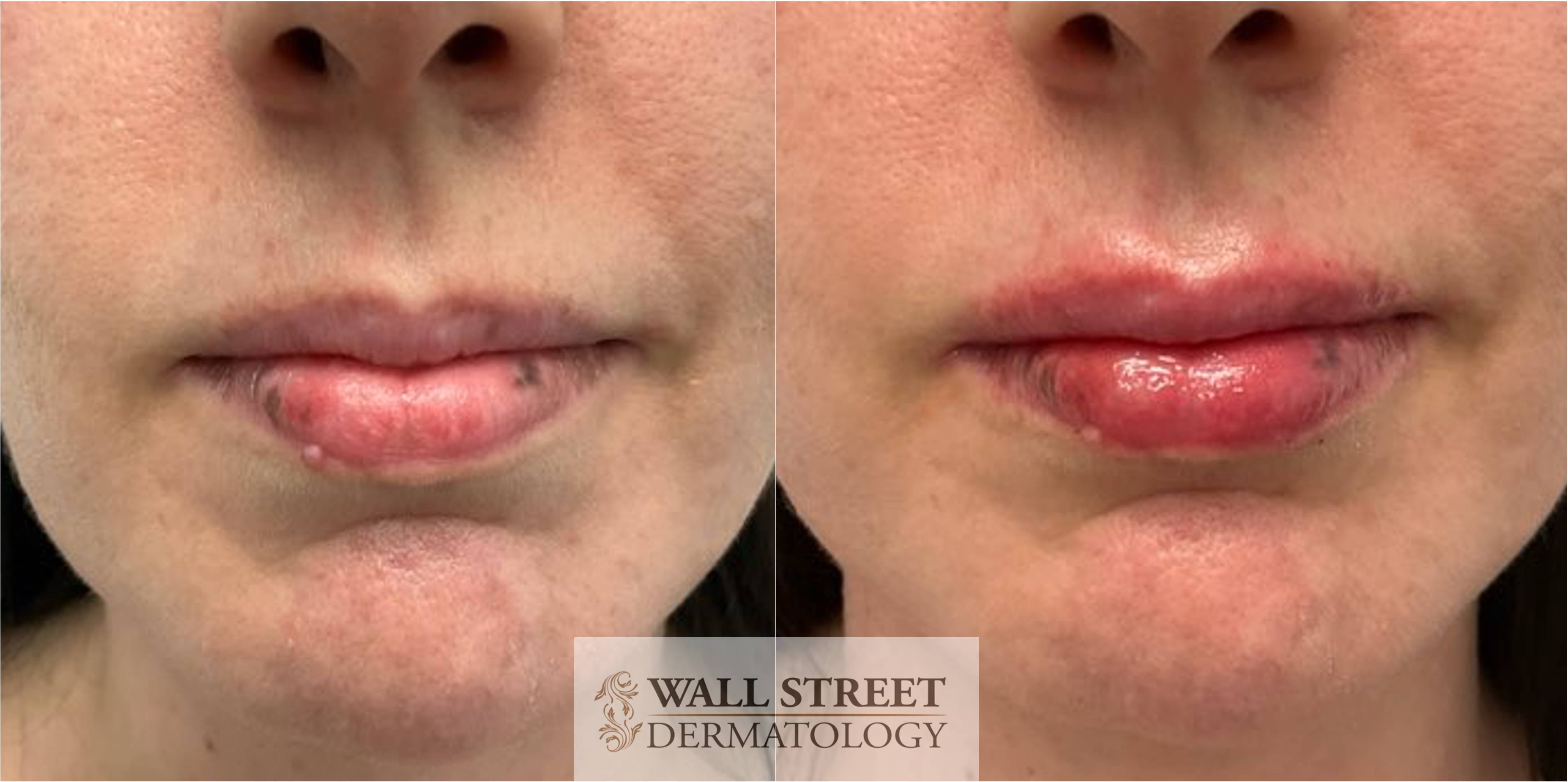
Enhance Your Skin's Youthfulness with Dermal Fillers in NYC
Subtle changes with a natural appearance
- Last Updated: September 3, 2026
- By Julia Tzu, MD FAAD
Injectable Fillers
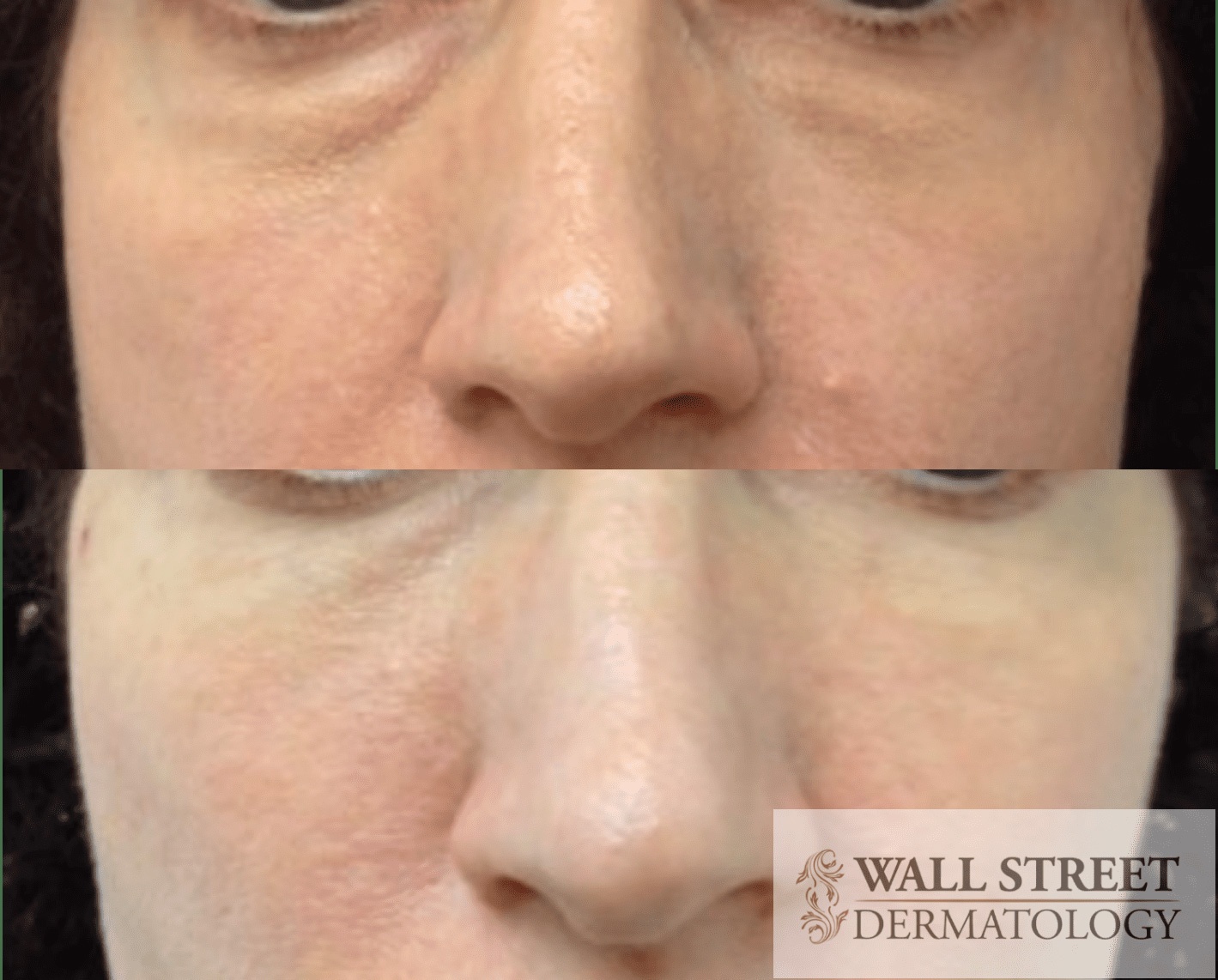
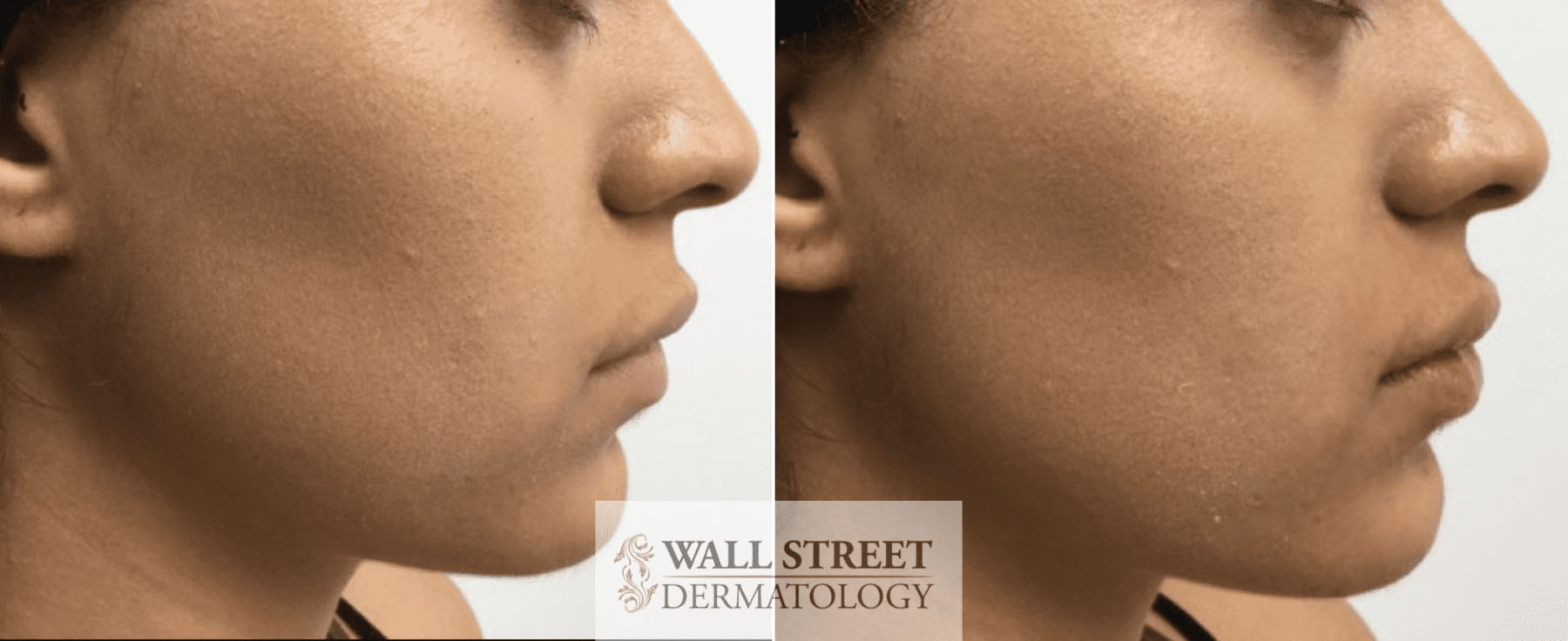
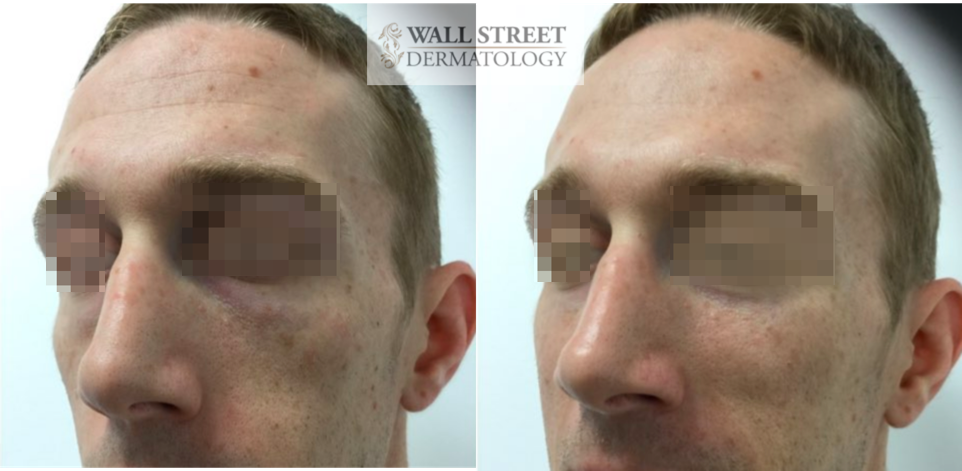
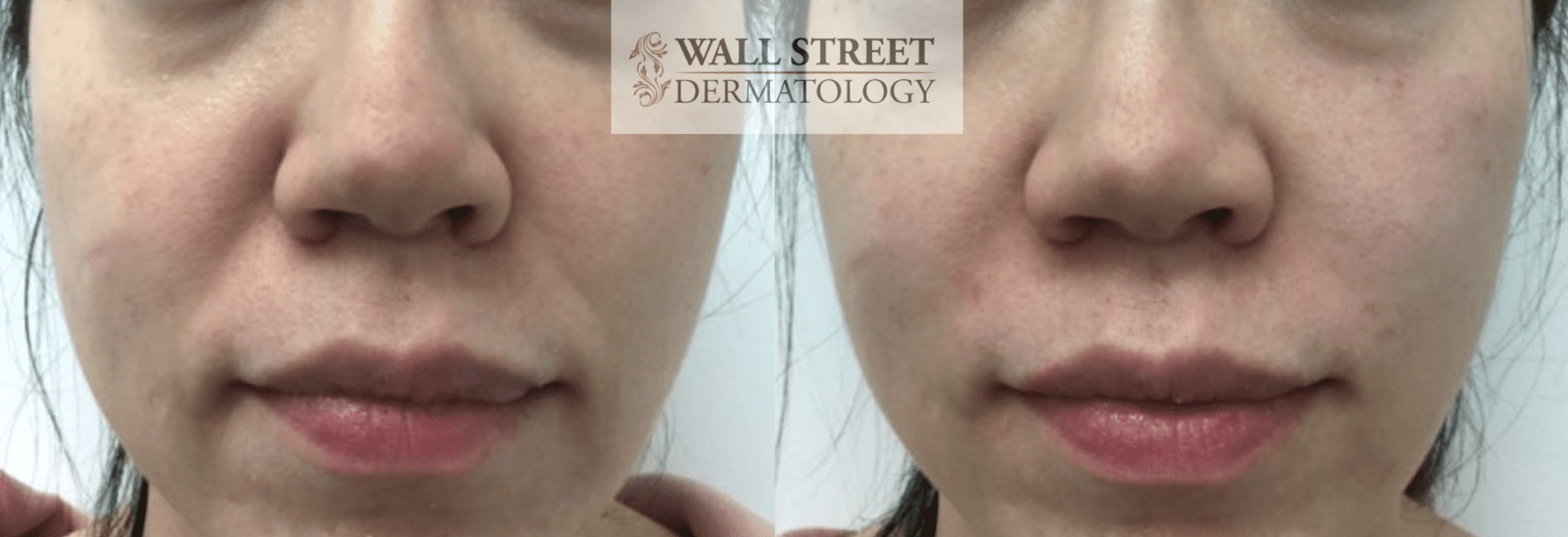
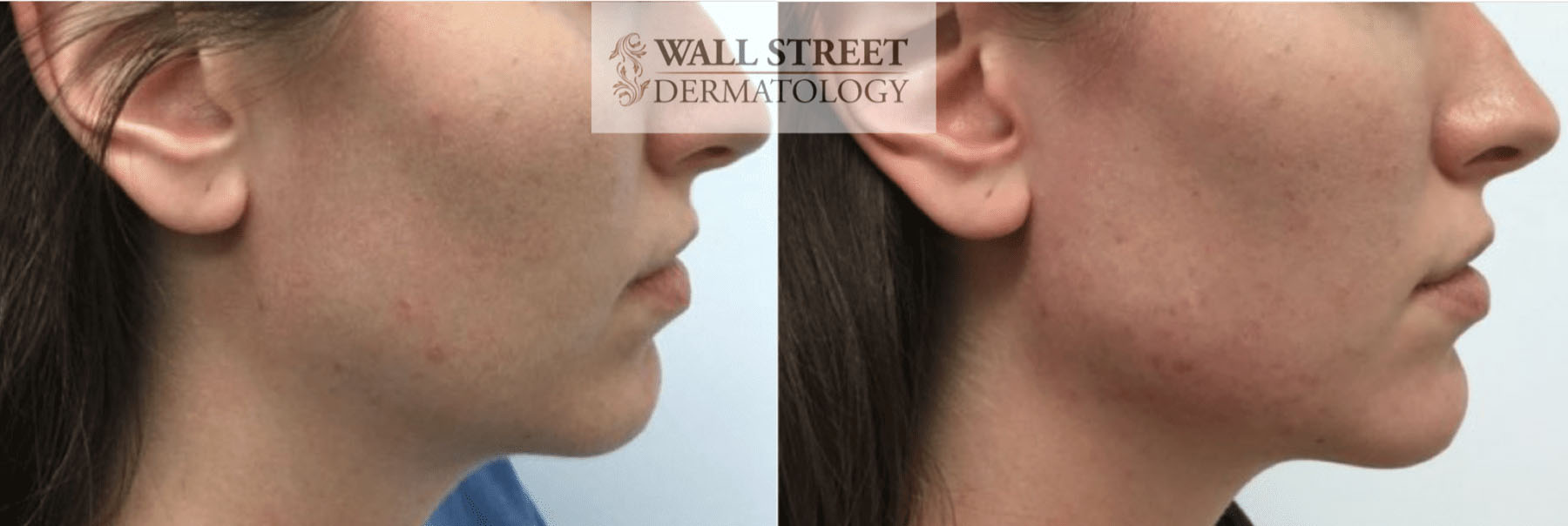
Injectible fillers are a go-to treatment for soft-tissue augmentation to enhance the youthfulness of the skin. As we age, the amount of hyaluronic acid in our skin naturally decreases, resulting in the loss of volume and firmness associated with aging. The end result is skin looseness, thinness, and wrinkling. Fillers such as Juvederm, Restylane, Perlane, and Boletero are composed of hyaluronic acid, a large water-absorbing molecule found naturally in our skin, where it provides firmness and volume. Fillers are injected into areas of volume loss and wrinkling to restore youthful contours and tent up creases. After the procedure, the lifting effect is usually instantaneous. Because hyaluronic acid is naturally broken down by the body, fillers may need to be performed every six to nine months on average.
Filler injections require a combination of surgical skill and aesthetic talent. The injector should have a profound surgical understanding of the three dimensional anatomy of the human body to inject into the correct anatomic location. The best outcomes involve subtle changes and a natural appearance.
Dr. Julia Tzu of Wall Street Dermatology is a dermatologist in NYC that has been utilizing injectable fillers for over a decade to revive the skin with natural appearing results and restore youthful, well-balanced features. Dr. Tzu’s expert knowledge of surgical anatomy as a skin surgeon allows her to choose the best soft tissue fillers and navigate filler injections safely for her patients.
Dermatologist Dr. Julia Tzu's Approach to Injectible Filler Treatments
 “First time filler patients are often amazed by how instantaneously they can see the improvement immediately after the injection. I find that key to natural appearing results is not only selection of the appropriate filler, but instinctively being able to pinpoint prime injection points that can provide metric-based harmony to each person’s face.”- Dr. Julia Tzu, MD, FAAD
Types of Dermal Fillers
There are two main types of soft tissue fillers: 1) Hyaluronic acid based fillers and 2) Non-hyaluronic acid based fillers.
Hyaluronic acid based fillers are comprised of hyaluronic acid, a naturally occurring substance in the skin that gives the skin its unique, soft, supple quality and volume. These fillers are degradable over time, as is natural hyaluronic acid, and can also be dissolved with an enzymatic injection if the procedure needs to be reversed. Nonhyaluronic acid based fillers may be comprised of calcium hydroxylapatite, collagen, or silicone. These fillers do not degrade easily over time and its placement is usually permanent. While permanent fillers may seem to be desirable at first sight, its disadvantage is that the procedural outcome cannot be reversed without invasive surgery.
Hyaluronic acid based soft tissue fillers are considered to be the safest for cosmetic injections and there are many brands. Restylane and Juvederm represent the most popular brands used in the United States.
A Conservative Approach to Filler
Dr. Tzu works only with hyaluronic-acid fillers such as Restylane. Unlike non-HA products, hyaluronic-acid fillers can be dissolved with an enzyme if a patient is unhappy with the result or an unexpected problem such as a nodule develops. That reversibility does not make filler risk-free, but it does mean a result is not permanent by default.
Alongside product choice, she generally avoids the facial areas that carry the highest complication risk and uses injection techniques chosen to reduce that risk, reading the position of the structures under the skin from her background as a dermatologic surgeon.
Where the Filler Goes Depends on What Is Being Corrected
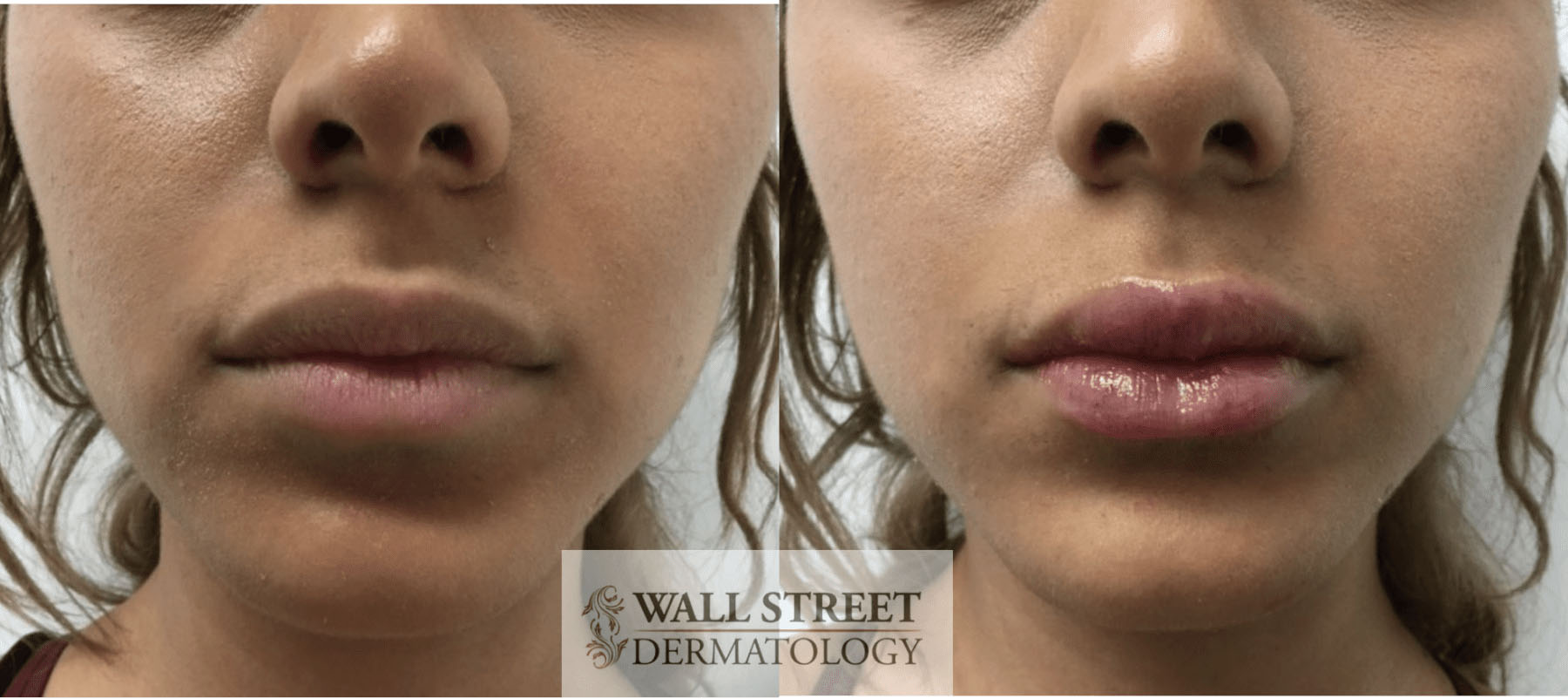
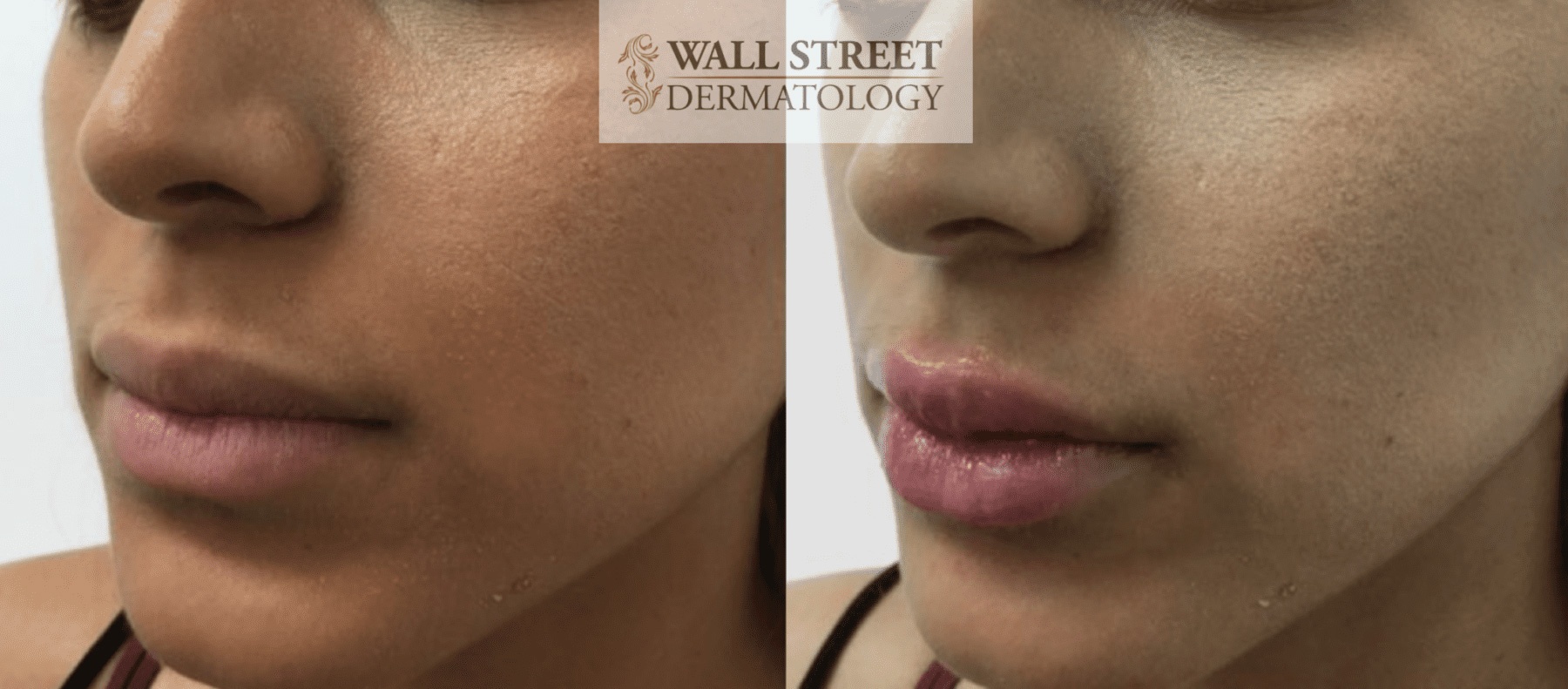
Restoring lost volume in the midface means placing product deep, directly on the bone, so it supports the structure above it. Softening nasolabial folds, refining lips, or smoothing fine surface lines calls for placement in the dermis instead. The correction determines the plane, not the product alone.
Refreshed, Not Changed
The aim is to look rested rather than reworked. Dr. Tzu treats filler as a way to turn the clock back a little while leaving a patient recognizably themselves, not as a way to build a different face.
How Much Will an Injectible Filler Cost in NYC?
The cost of injectible fillers is varies widely, but in general we would guide patients to a starting budget of $1,200 and can easily go up from there. The true answer depends on the exact product used, the location in which it is placed, and the volume injected. Hyaluronic acid based injectable fillers can last between 6-24 months, after which touch-ups are recommended to maintain aesthetic results.
Injectable Filler FAQ
The most common dermal fillers contain hyaluronic acid, a substance that occurs naturally in your skin and helps retain moisture. Other FDA-approved filler materials include calcium hydroxylapatite, poly-L-lactic acid, and polymethylmethacrylate. Dr. Tzu works only with hyaluronic-acid products.
Results vary by filler type and treatment area. Hyaluronic acid fillers typically last 6 to 18 months. Factors that affect duration include your metabolism, the treatment area, and the specific product used. Dr. Tzu can recommend a maintenance schedule at consultation.
Dermal fillers and Botox address different types of wrinkles. Fillers add volume beneath the skin to smooth static wrinkles and restore lost volume, while Botox relaxes the muscles that cause dynamic wrinkles from facial expressions. Many patients benefit from both used together.
Hyaluronic acid fillers can be dissolved using an enzyme if results are unsatisfactory or a complication occurs. This is one of the reasons Dr. Tzu works only with hyaluronic-acid products. Other filler types are not reversible, and complications with them may not be as easily treated.
Most patients experience only mild discomfort. Many filler products contain lidocaine to minimize pain, and topical numbing cream or local anesthesia can be used before treatment. The procedure is generally well tolerated.
Injectable fillers may not be appropriate for anyone with a known allergy to filler components, or with active skin infection, inflammation, or rash at the intended injection site. Possible side effects include bruising, swelling, or redness at the injection site, which is common and typically resolves within days; lumps or irregularities that may require massage or further treatment; and asymmetry requiring a touch-up. Your health history is reviewed before treatment.
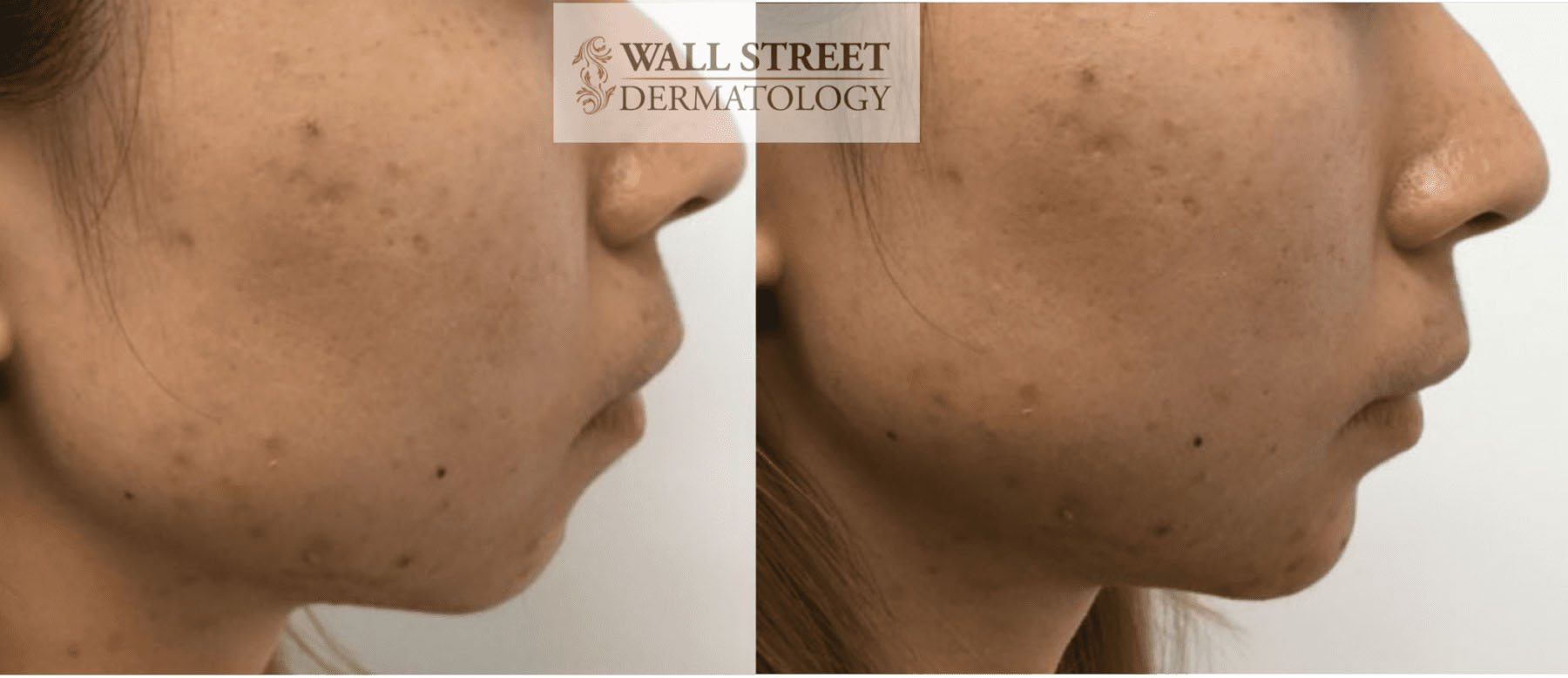
Fillers are commonly used for nasolabial folds, marionette lines, lip augmentation and volume restoration, and cheek volume loss or midface hollowing. Dr. Tzu also uses filler for selected acne scars, in combination with subcision. Schedule a consultation to find out whether filler is right for you.
Taking the Next Steps on Injectible Fillers
If you are interested in exploring injectible fillers with us, you can learn more about booking a cosmetic consultation with Dr. Tzu. We’d love to explore how we may be able to restore the natural beauty of your skin by discussing all of the treatment options available to you.